The history of table games showcases how minor adjustments to rules can completely transform the social atmosphere among participants. Long before modern casinos streamlined card games into fast-paced activities, traditional setups relied heavily on human connection and community engagement. Exploring how early rules made baccarat a deeply interactive experience reveals a fascinating contrast with today's automated gaming variants.
The Shared Role of the Table Banker
In early variations of baccarat, the role of the banker was never a permanent position held by a centralized house or corporate venue. Instead, participants took turns managing the financial pool, which distributed the operational risks and tactical decisions directly among the players. This rotation kept everyone highly focused on the table, as any individual could suddenly become the central figure of the round.
Because the banker was a live participant risking their personal capital, the emotional investment of the entire room shifted dramatically during play. This interactive structure turned a simple comparison of number totals into a lively contest of observation and strategy. Everyone at the table paid close attention to the shifting liabilities, ensuring that no two consecutive rounds felt identical.
Active Decision Making Over Automated Outcomes
Unlike modern variants where fixed drawing rules dictate every single card movement, traditional rules granted players real choices regarding their hands. Participants in classic French salons could decide whether to stand or draw a third card based on their psychological assessment of the dealer. This degree of freedom allowed seasoned players to use tactical positioning and behavioral observations to influence the pacing of the game.
The physical handling of the cards also contributed significantly to the participatory nature of historic gambling rooms. Players took turns dealing from a wooden shoe, adding a tactile element that made everyone feel like an active component of the system. Those who wish to experience modern equivalents of these engaging configurations can access a platform via wd boss login to view various dynamic table structures. These contemporary platforms preserve the classic comparative mechanics while ensuring a secure and efficient distribution of cards.
The Spatial Influence of Table Seating
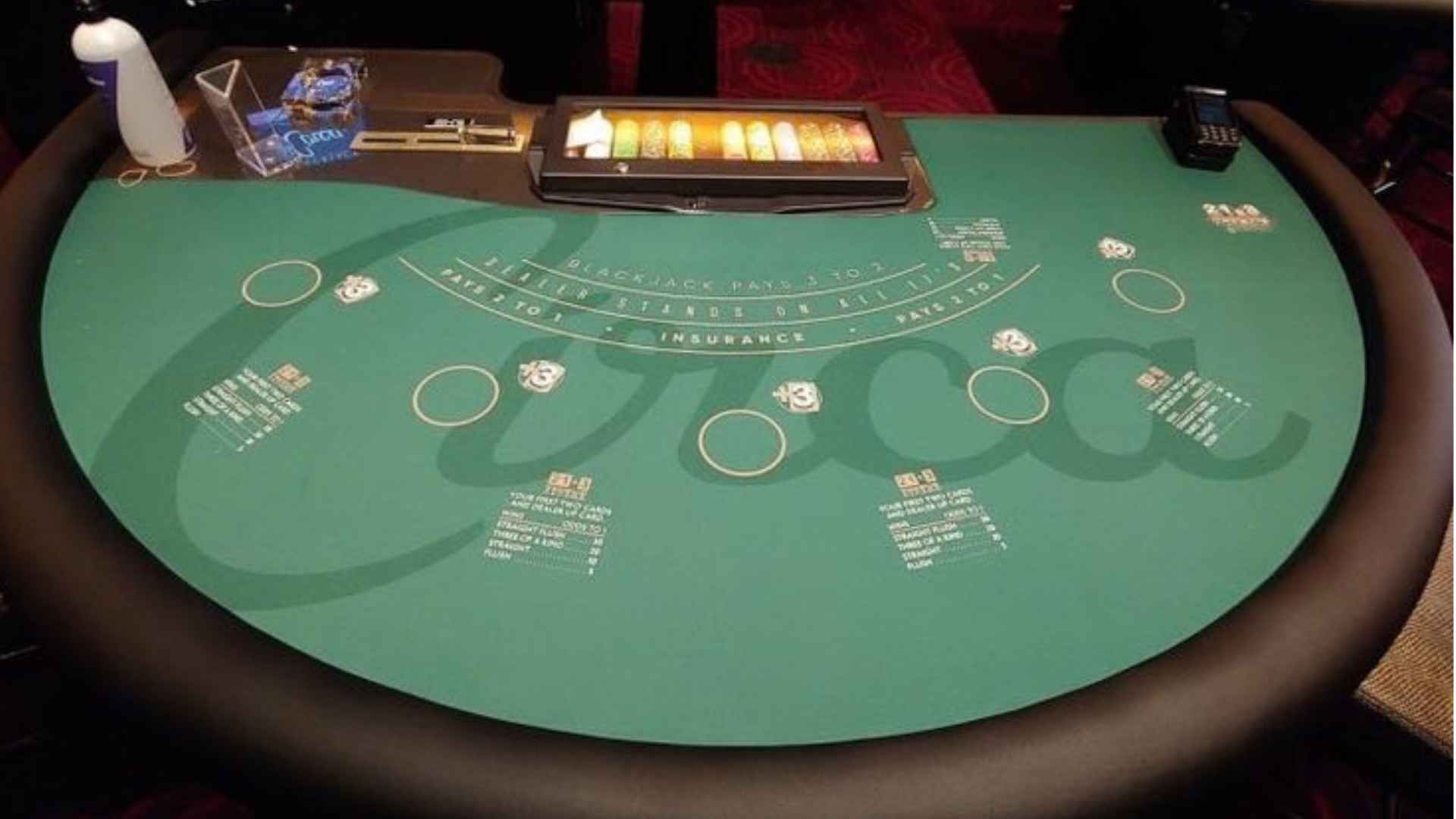
Traditional baccarat layouts featured large, semi-circular tables designed to facilitate face-to-face communication and group dynamics. Where a player chose to sit directly impacted their visual perspective and the sequence in which they received strategic information. This spatial arrangement meant that seating selection was treated as a vital component of a participant's overall table approach.
The rules of engagement encouraged players to collaborate or compete openly depending on their physical placement relative to the active bank. This structural setup transformed a standard card game into a grand social ritual where community accountability was highly valued. Ultimately, examining these historic guidelines reminds us that table games were originally built around the shared energy of human participation.