Baccarat stands as a premier example of a casino game shaped deeply by global migration and shifting gaming traditions. While its foundational core traces back to older European card rituals, the rules and structures enjoyed by modern enthusiasts are the result of diverse cultural adaptations. Examining these distinct international frameworks provides critical insight into how regional preferences have transformed a simple comparison game into a multifaceted global phenomenon.
The European Foundations of Choice and Rotation
The early chapters of baccarat history were defined by variants that prioritized direct player engagement and high-stakes decision-making. In traditional French salons, formats like Chemin de Fer allowed players to take turns acting as the banker and actively managing the table's capital. This structure introduced an element of tactical choice, as the active participant could decide whether to stand or draw a third card based on psychological strategy.
As the game migrated to other European gaming houses, variants like Baccarat Banque emerged, which established a more permanent banking seat often granted via auction. This system divided the table layout into two distinct sides, allowing a larger group of participants to play separate hands simultaneously against a single opponent. These historic European formats fostered highly social table dynamics where outcomes relied heavily on individual player choices and substantial capital management.
The American Shift to Mechanical Automation
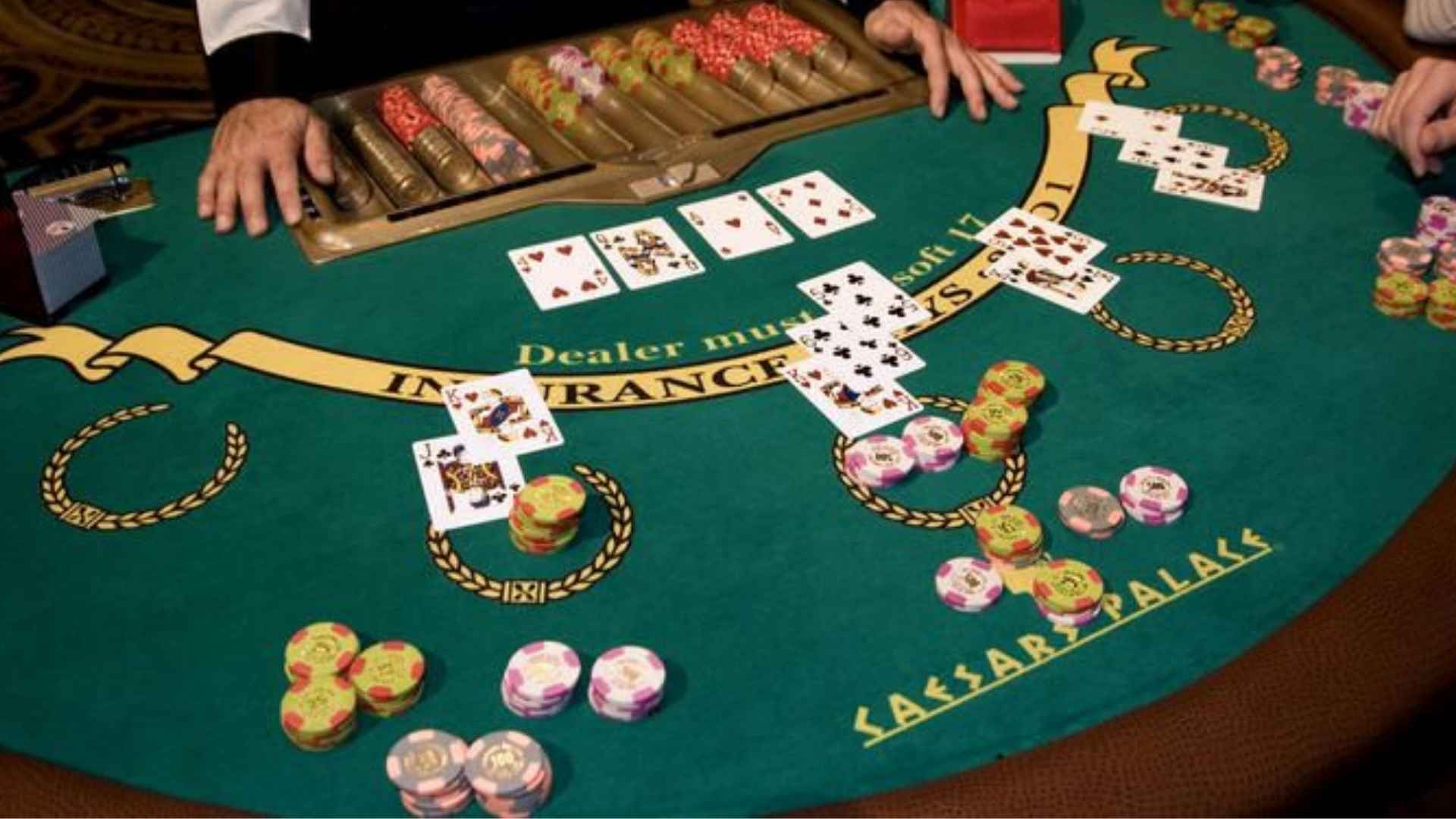
When the game arrived in continental American resorts during the mid-twentieth century, operators introduced structural modifications designed to increase accessibility and game efficiency. This evolution birthed Punto Banco, a streamlined format that completely removed the element of player choice regarding card distribution rules. The casino assumed the role of permanent banker, and all hands were dealt face-up according to strict, predetermined third-card criteria.
By transforming baccarat into a game governed purely by automated probability, the American format eliminated complex strategies and minimized entry barriers for casual participants. This adaptation allowed the game to move from exclusive high-roller salons onto main casino floors, significantly accelerating the general pace of play. To explore modern implementations of these accessible variations, enthusiasts often look toward online resources like the vip 代码 m88 platform, which mirrors this contemporary efficiency.
Asian Gaming Dynamics and Speed Variations
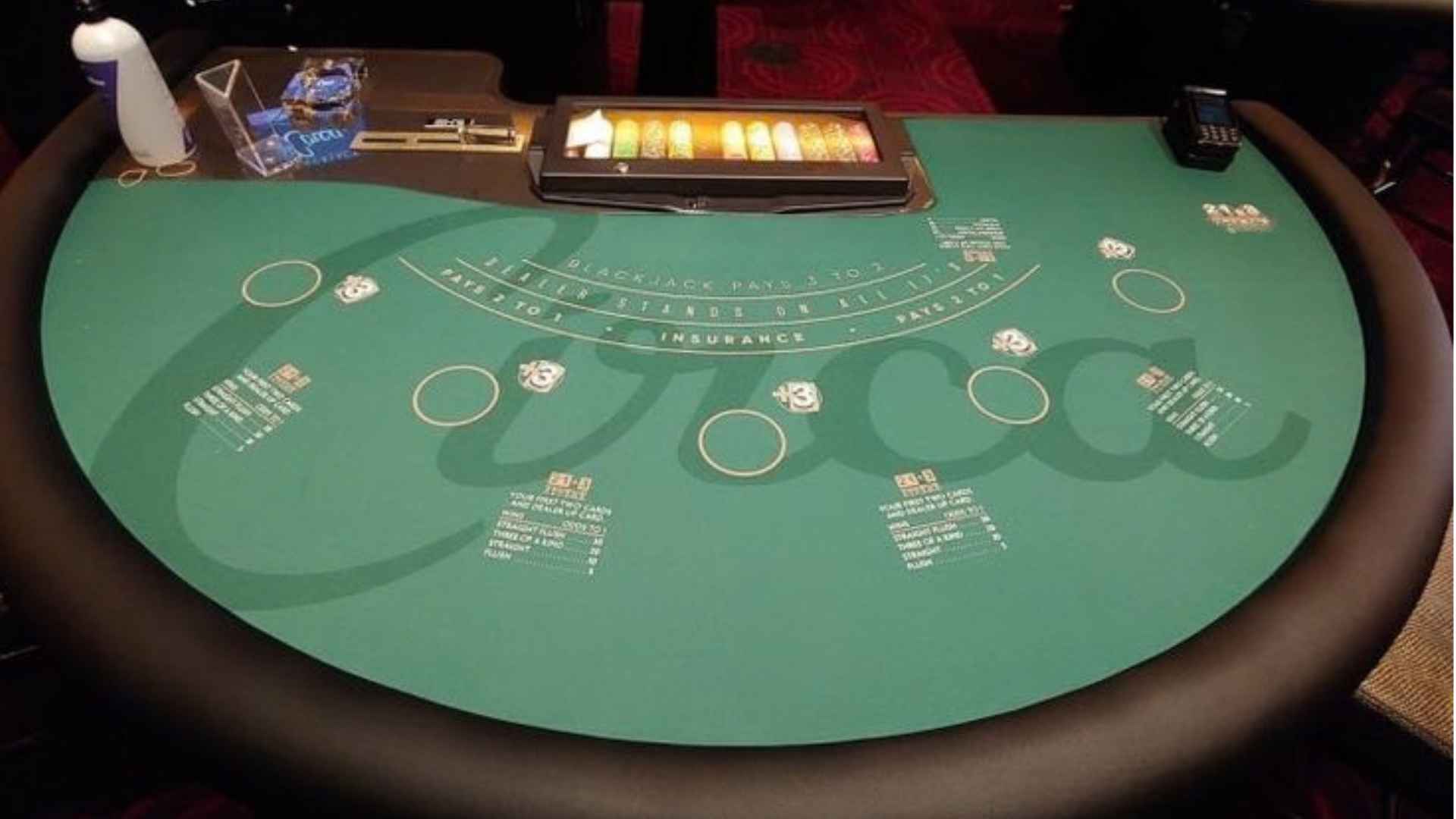
In recent decades, the massive expansion of gaming hubs across Asia has introduced further modifications that cater to preferences for rapid action and community engagement. The development of Mini Baccarat utilized smaller kidney-shaped table designs that accommodated fewer participants and removed traditional ceremonial card handling. These adjustments allowed a single dealer to manage every round at a significantly accelerated tempo, maximizing the hands completed per session.
Furthermore, regional adaptations frequently incorporate elaborate tracking systems and specialized side features to enrich the core betting loop. The integration of commission-free structures and automated card squeeze features has further tailored the game to match the high-energy expectations of modern players. These continuous international exchanges ensure that baccarat remains a highly versatile centerpiece of global gaming entertainment, balancing classic heritage with modern operational innovation.